
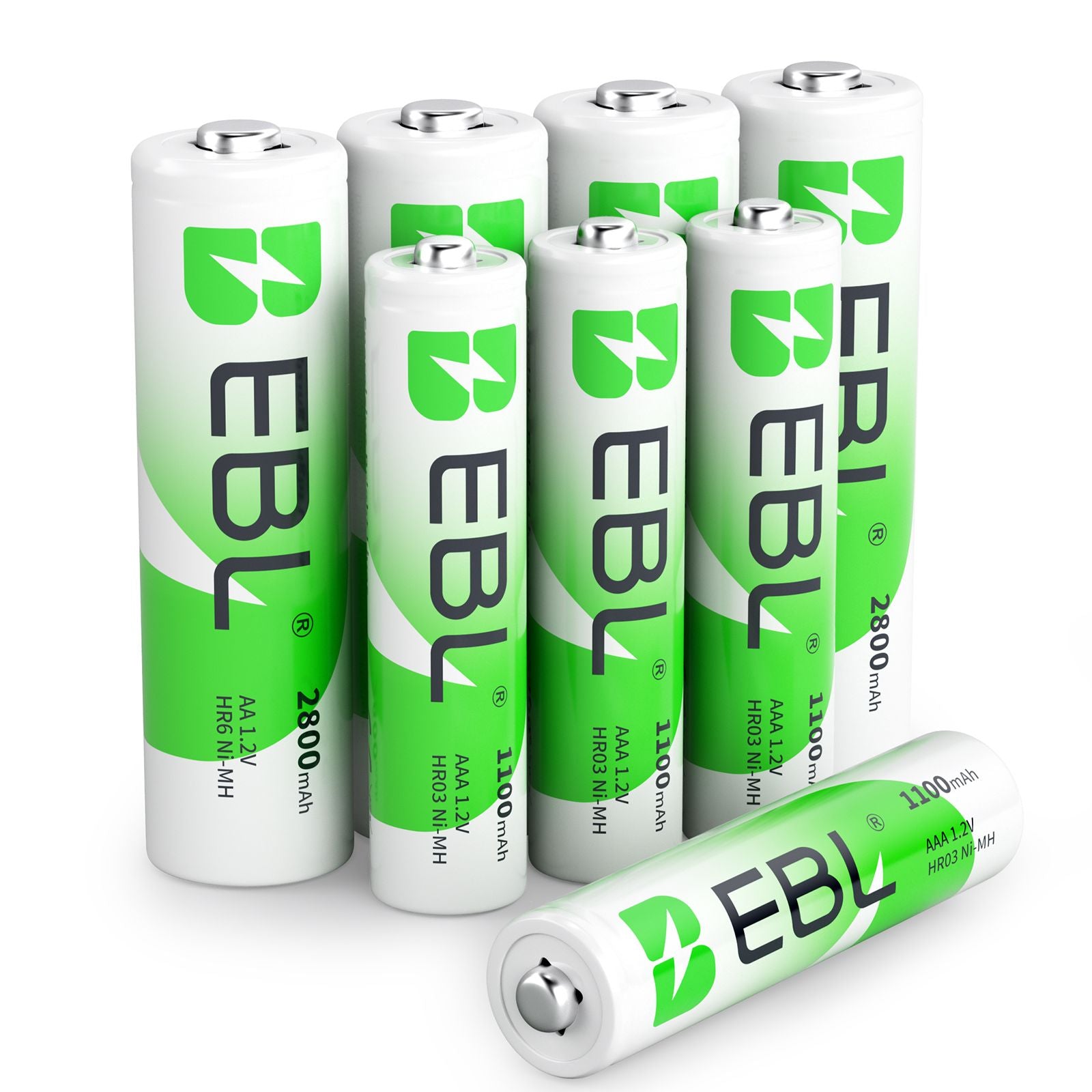

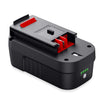
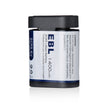
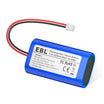
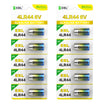
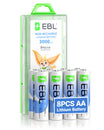
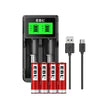
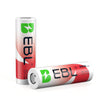
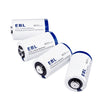
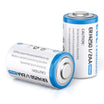
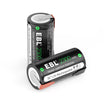

Lithium-ion batteries use cylindrical, prismatic and pouch formats. Choose a replacement by its full dimensions, chemistry, nominal voltage, protection design and approved charging requirements.
Understanding lithium-ion battery sizes is essential for optimizing device performance. Lithium-ion batteries are named based on their physical dimensions and shape.
Smaller battery sizes are perfect for compact gadgets, while larger ones are better for energy storage solutions.
Familiarity with battery sizes ensures the right match for every application.
Key Takeaways
- Lithium-ion batteries have three main types: cylindrical, prismatic, and pouch. Each type works best for different devices, so pick wisely.
-
Cylindrical batteries are strong and often used in laptops and electric cars. They come in common sizes like 18650 and 21700, which fit many gadgets.
-
Prismatic batteries are small and powerful, great for electric cars and energy storage. They store more energy while taking up less space.
-
Pouch batteries are light and bendable, ideal for phones and tablets. They save space and can be made in many shapes.
-
When choosing a battery, think about energy, voltage, and lifespan. Matching these to your device helps it work better and last longer.
Overview of Lithium-Ion Batteries

Lithium-ion batteries come in three main shapes: cylindrical, prismatic, and pouch. Each shape has its benefits and works well for different uses.
Cylindrical Lithium-Ion Batteries
Cylindrical batteries are very popular and widely used. Their strong design and steady performance make them great for tough tasks.
These batteries are often used in tools, laptops, and electric cars. Companies use standard sizes like 18650 and 21700 to fit many devices.
Cylindrical batteries have features that show their usefulness:
|
Feature |
Explanation |
|
Capacity |
mAh and Ah measure charge capacity. Watt-hours also account for voltage when comparing nominal energy. |
|
Voltage |
Includes normal voltage (e.g., 3.6V), max voltage (e.g., 4.2V), and min voltage (e.g., 2.5V). |
|
Charge & Discharge Rates |
Maximum speed for charging and using energy (e.g., 1C-2750mAh for charging). |
|
Storage Temperature |
The best temperature for keeping the battery safe. |
|
Cycle Life |
Number of times the battery can be used, e.g., 3000 cycles at 80% power. |
|
Safety Tips |
Rules for safe use and care of the environment. |
These features make cylindrical batteries a dependable choice for home and work devices.
Prismatic Lithium-Ion Batteries
Prismatic cells use a rectangular enclosure that can suit some pack designs. Energy density depends on chemistry and construction, not shape alone.
Prismatic cells use a rectangular enclosure. Their suitability depends on pack design, thermal management, mechanical constraints and the manufacturer's specification.
This rise shows their growing use in electronics and industrial tools. They also have better safety features for tough conditions.
Pouch Lithium-Ion Batteries
Pouch batteries are the most flexible type of lithium-ion batteries. Their light and bendable design makes them perfect for phones and tablets. They use space very well, with up to 95% efficiency.
Benefits of pouch batteries include:
-
Save space
-
Weigh less because they don’t have hard cases
-
Can be made in different shapes and sizes
-
Cheaper to produce
-
Safer to use
But pouch batteries need extra support because they aren’t rigid. Even so, their flexibility and good performance make them a favorite for modern devices.
By learning about these battery types, you can choose the best one for your needs.
Common Lithium-Ion Battery Sizes and Applications

Image Source: unsplash
Popular Cylindrical Sizes (18650, 21700, 26650)
Cylindrical lithium-ion batteries are strong and work well for many uses. They come in sizes like 18650, 21700, and 26650, each made for specific tasks.
The 18650 batteries are great for small devices like laptops and flashlights. They are small but store a lot of energy, making them reliable.
21700 batteries hold more energy and are used in electric cars and energy storage systems.
For tools needing lots of power, 26650 batteries are the best choice because they have high capacity.
Here’s a simple table comparing these battery sizes:
|
Battery Size |
Diameter (mm) |
Length (mm) |
Voltage (V) |
Capacity (mAh) |
Key Benefits |
|
18 |
65 |
3.6/3.7 |
2300 - 3600 |
Used in small electronics |
|
|
21700 |
21 |
70 |
3.6/3.7 |
4000 - 5000 |
Great for electric cars |
|
26 |
65 |
3.6/3.7 |
Up to 10000 |
Best for high-power tools |
Capacity and discharge capability vary within each cell size. Compare model specifications rather than assuming a fixed percentage advantage for 21700 over 18650.
Prismatic Battery Sizes and Their Use Cases
Prismatic lithium-ion batteries are small and shaped like a box. They are used in electric cars, energy storage systems, and tools. Their shape makes them easy to stack, which is helpful for big battery packs.
Large battery systems often use prismatic cells because they store more energy in less space. For example, solar and wind energy storage systems use these batteries. They are also important for electric cars, where saving space and storing energy are key.
Applications of Pouch Lithium-Ion Cells
Pouch lithium-ion batteries are light and flexible. Their bendable design makes them great for phones, tablets, and wearables. They are also used in electric cars because they fit into different spaces easily.
Some things affect how pouch batteries work:
-
Moisture during making can lower energy storage.
-
Pressure on the battery changes how well it works over time.
-
Properly aligned parts help the battery work better.
Pouch cells can use enclosure space efficiently, but they need suitable mechanical protection and pack design. Do not bend, puncture or reshape a cell to make it fit.
Whether you need a big battery for energy storage or a small one for gadgets, pouch batteries are a great choice. Their flexibility and performance make them important for the future of batteries.
Design Considerations for Lithium-Ion Battery Sizes

Image Source: unsplash
Compact Lithium-Ion Battery Designs
Compact battery designs balance usable energy, power, temperature control and space. A newer or larger cell is not automatically a compatible replacement.
Tiny lithium-ion batteries now focus on working well and lasting long. They are perfect for drones, wearables, and lightweight tools.
These batteries need less charging, making them easier to use daily. As technology improves, these batteries will stay small but hold more energy.
Larger Lithium-Ion Batteries for EVs and Energy Storage
Big lithium-ion batteries are needed more than ever. They power electric cars and store renewable energy. Scientists found hydrogen can damage these batteries over time. Fixing this problem will help batteries last longer and work better.
Huge lithium-ion batteries are used in solar and wind energy projects. They store lots of energy to keep power steady when needed. For cars, bigger batteries mean driving farther without charging. This shows how important strong, reliable batteries are becoming.
Flexible and Customizable Lithium-Ion Cells
Bendable lithium-ion batteries are changing how batteries are made. They can fit into foldable phones, medical tools, and other cool devices. Their shape lets companies create special batteries for different needs.
Custom packs require engineering for cell matching, protection, charging and mechanical support. Use an approved replacement rather than modifying a vehicle or appliance pack.
Choosing the Right Lithium-Ion Battery Size

Key Factors to Consider
Picking the right lithium-ion battery size needs careful thought.
Check the device's required battery model and energy needs. mAh and Ah measure charge capacity; Wh also accounts for voltage.
Voltage is also important. It must match your device's power needs. Most lithium-ion batteries have 3.6V or 3.7V, but always check your device's details. The charge and discharge rates, called "C-rates," show how fast energy can be used or stored. High C-rates are great for tools needing quick energy.
Cycle life matters too. This shows how many times a battery can charge and discharge before losing power. Laptops need batteries with long cycle lives to work well over time. Also, a battery management system is key. It keeps the battery safe from overheating or overcharging, making it last longer.
Ignoring these things can harm your device or make it work poorly. Always check the battery's size and details to find the best one for your device.
Matching Lithium-Ion Battery Sizes to Applications
Using the right battery size helps devices work better. Small gadgets like drones or wearables need tiny batteries. Bigger devices, like electric cars, need large batteries with high power and durability.
For laptops, prismatic or pouch batteries are a good fit. Their slim shape fits into tight spaces. Laptop batteries balance energy storage and long life for better performance.
Tools and energy systems often use cylindrical or prismatic batteries because they are strong and store lots of energy.
Custom battery packs are now common. They are made to fit specific devices. For example, electric cars use modular packs with many cells for the right power. Energy systems use stackable prismatic cells to save space and store more energy.
A lithium-ion battery size chart can help you compare options. Whether for small gadgets or big systems, picking the right size ensures good performance and reliability.
|
Size |
Type |
Dimensions (mm) |
Nominal Voltage (V) |
Typical Capacity (mAh) |
Applications |
Notes |
|
Li-ion (rechargeable) |
D: 14.5, L: 50 |
3.6–3.7 |
600–1,000 |
Flashlights, portable electronics |
A conventional 3.6V or 3.7V 14500 cell is not a direct replacement for a 1.5V AA battery. |
|
|
AAA (10440 Li-ion) |
Li-ion (rechargeable) |
D: 10.5, L: 44.5 |
3.6–3.7 |
300–600 |
Small flashlights, wireless mice |
Not a direct 1.5V AAA replacement due to voltage. |
|
Li-ion (rechargeable) |
D: 18, L: 65 |
3.6–3.7 |
2,000–3,600 |
Laptops, power banks, flashlights, EVs |
Widely used, high energy density. |
|
|
21700 |
Li-ion (rechargeable) |
D: 21, L: 70 |
3.6–3.7 |
3,000–5,000 |
Electric vehicles, high-drain tools |
Higher capacity than 18650. |
|
Li-ion (rechargeable) |
D: 26, L: 65 |
3.6–3.7 |
4,000–5,500 |
Tactical flashlights, power tools |
Large capacity for compact devices. |
|
|
16340 (RCR123) |
Li-ion (rechargeable) |
D: 16, L: 34 |
3.6–3.7 |
700–800 |
Small flashlights, cameras |
Similar to CR123A but rechargeable. |
|
4680 |
Li-ion (rechargeable) |
D: 46, L: 80 |
3.6–3.7 |
20,000–30,000 |
Electric vehicles, energy storage |
Emerging high-capacity format. |
|
Custom Prismatic |
Li-ion (rechargeable) |
Varies (e.g., 50x34x10) |
3.6–3.7 |
1,000–10,000 |
Smartphones, laptops, EVs |
Used in battery packs, high volume efficiency. |
|
Large Prismatic |
Li-ion (rechargeable) |
Varies (e.g., 100x60x20) |
3.6–3.7 |
10,000–100,000 |
Electric vehicles, energy storage |
High capacity, requires thermal management. |
|
Small Pouch |
Li-ion (rechargeable) |
Varies (e.g., 30x20x3) |
3.6–3.7 |
100–1,000 |
Wearables, earbuds |
High energy density, prone to swelling. |
|
Large Pouch |
Li-ion (rechargeable) |
Varies (e.g., 200x100x10) |
3.6–3.7 |
10,000–50,000 |
EVs, laptops |
Used in high-capacity packs. |
|
Li-ion (rechargeable) |
H: 48.5, L: 26.5, W: 17.5 |
8.4–9.0 |
500–600 |
High-drain devices, professional audio |
Less common, requires specific charger. |
Learn more: EBL Battery Size Chart
Wrapping Up
Knowing lithium-ion battery sizes helps you pick the right one. Cylindrical, prismatic, and pouch batteries have different uses.
Small batteries power wearables, while big ones store energy. The battery market is growing fast due to electric cars, green energy, and gadgets. This shows how technology is improving, and people want eco-friendly options.
Choose a battery by thinking about your device's energy needs. Check its size and compare options using a battery chart.
Big batteries work well for energy storage, while small ones are great for portable devices. Picking the right size helps your device last longer and work better.
FAQ
What are the standard lithium-ion battery dimensions?
Lithium-ion batteries come in different sizes. Common types include cylindrical (like 18650, 21700), prismatic, and pouch batteries.
Each size works for specific devices. For example, 18650 batteries are 18mm wide and 65mm long. They are great for laptops and flashlights. Use a battery size chart to compare options easily.
What is the largest lithium-ion battery in the world?
Grid battery installations combine many cells and modules. Compare stored energy in MWh separately from output power in MW, and avoid treating one historical project as a permanent size record.
Large batteries like this store extra energy from solar and wind power. They also keep electricity steady for homes and businesses.
Tip: Big batteries are very important for green energy projects.
How do I choose the right lithium-ion battery size?
First, figure out how much energy your device needs. Then, check a battery size chart to compare sizes, power, and voltage. Small gadgets need tiny batteries. Electric cars or energy systems need bigger batteries with more power and durability.
What is the smallest lithium-ion battery available?
Very small lithium-ion cells are used in specialized electronics. Dimensions, output and availability are design-specific, so consult an actual manufacturer specification.
Why are lithium-ion battery dimensions important?
Battery size affects how well it works with your device. The right size helps your device use energy safely and efficiently.
Big batteries power energy grids, while small ones work for portable gadgets. Picking the right size improves how your device performs.
Note: Always check your device’s details before choosing a battery.



Leave a comment
All comments are moderated before being published.
This site is protected by hCaptcha and the hCaptcha Privacy Policy and Terms of Service apply.