

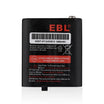
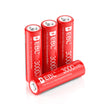
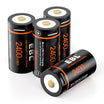
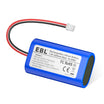
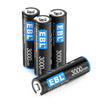
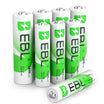
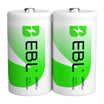
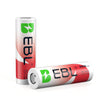
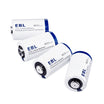
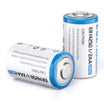
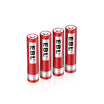
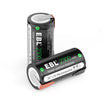



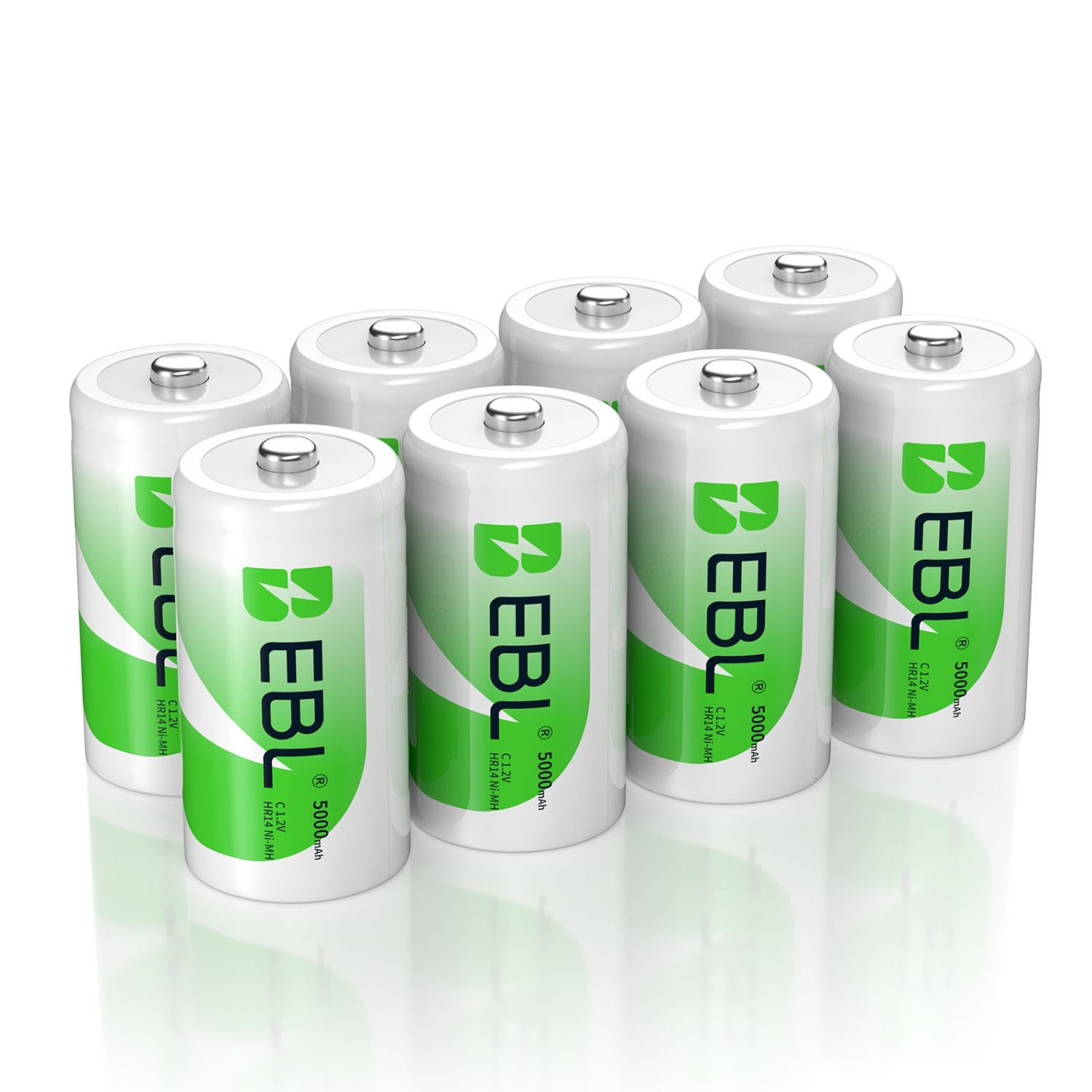
EBL C 1.2V 5000mAh NiMH Rechargeable Batteries
Tax excluded. Shipping calculated at checkout
Use code "welcome" at checkout and save 10%
High-Capacity Rechargeable C Batteries
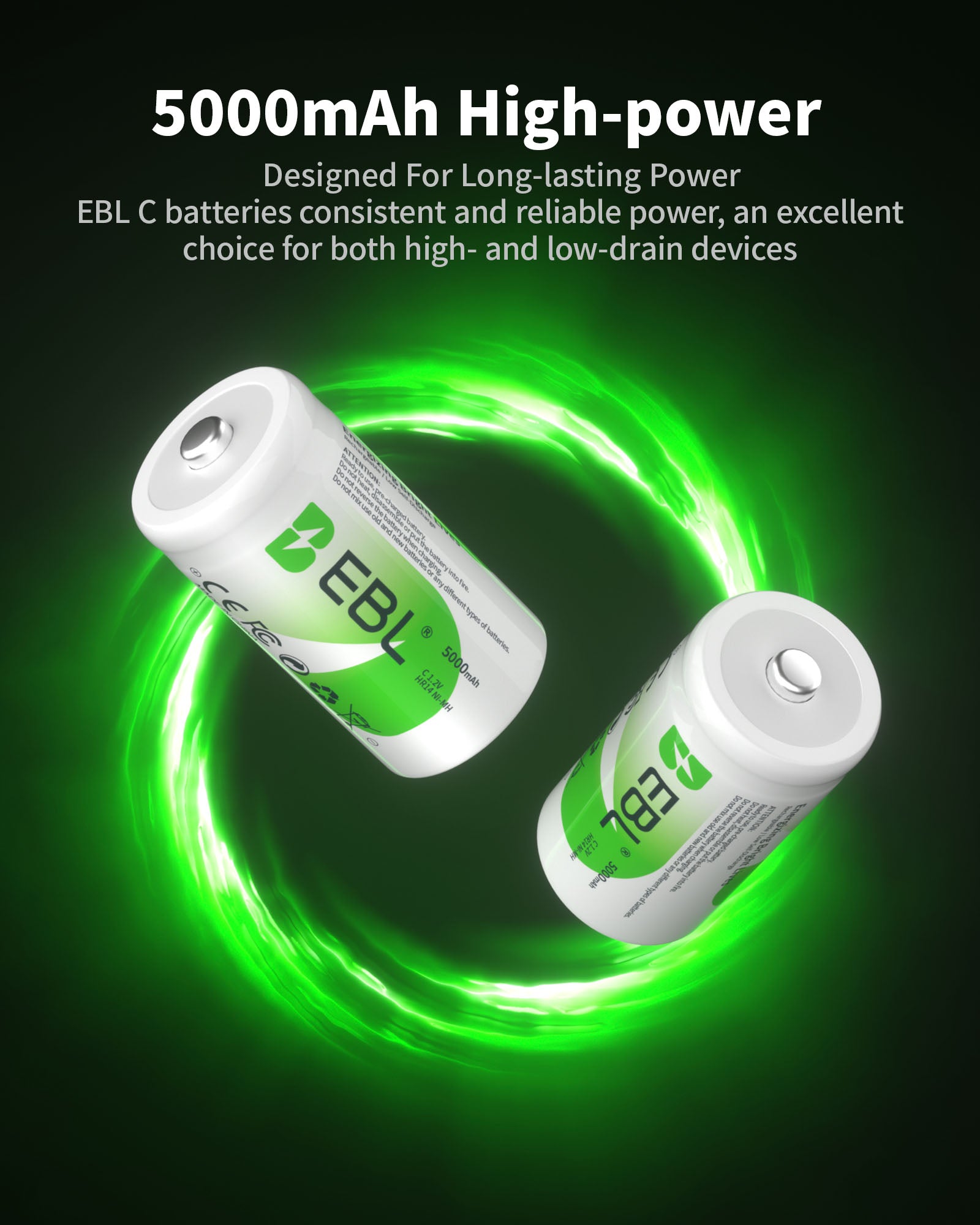
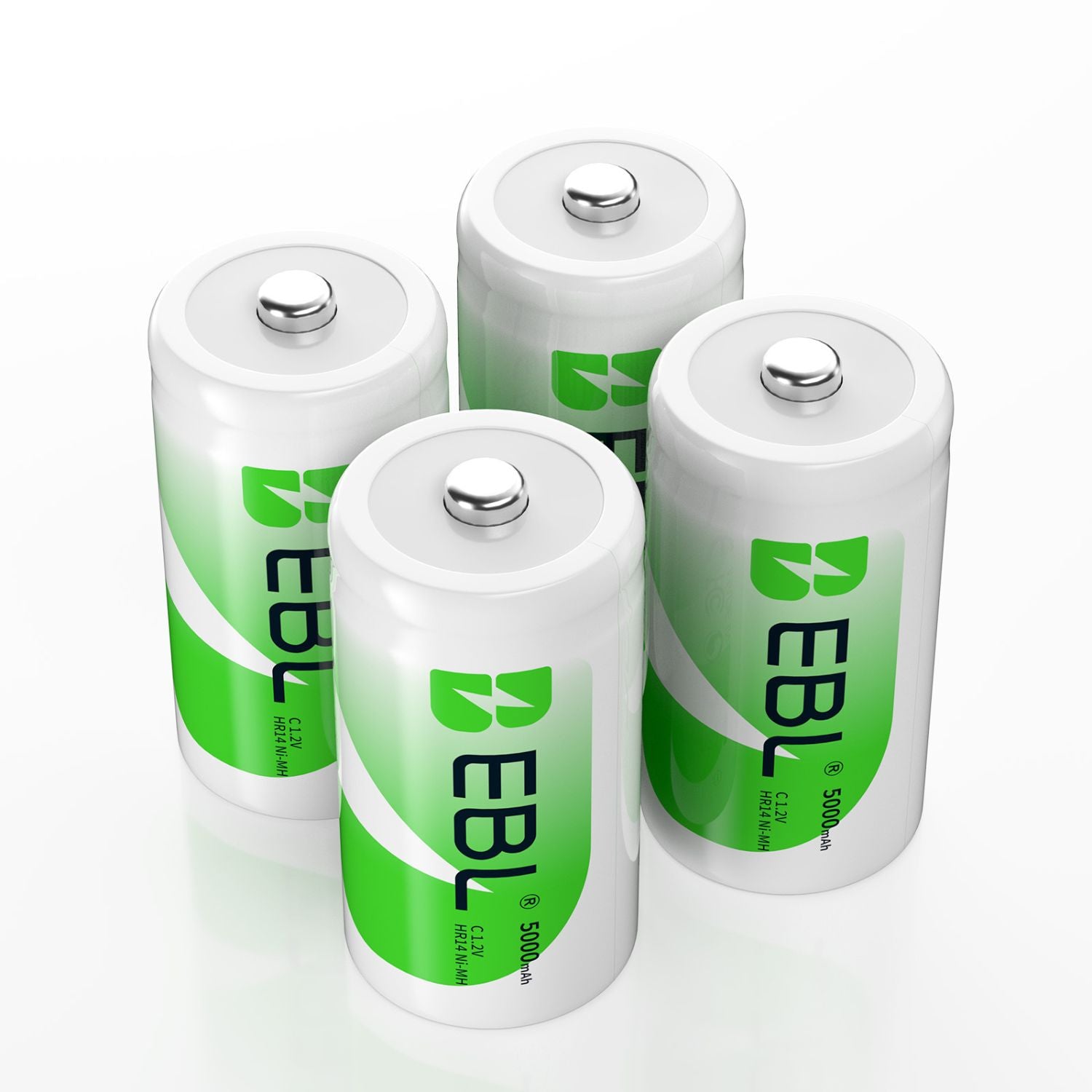
EBL C-size NiMH rechargeable batteries provide 1.2V output and a 5000mAh rated capacity for compatible devices. Choose the pack quantity that fits your needs.
Key Features
- C-size rechargeable NiMH battery
- 1.2V nominal voltage
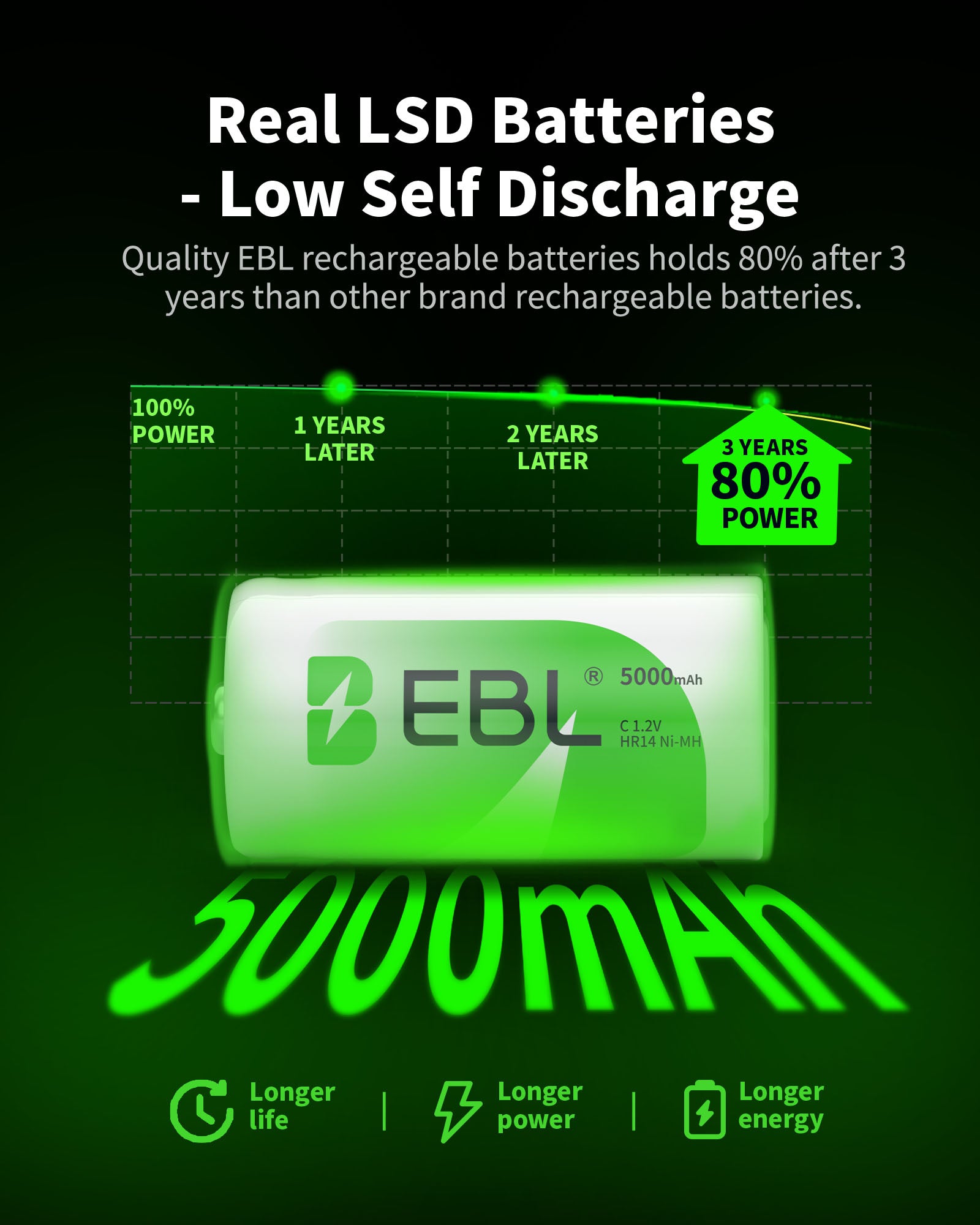
- 5000mAh rated capacity
- Multiple pack-size options
Compatibility
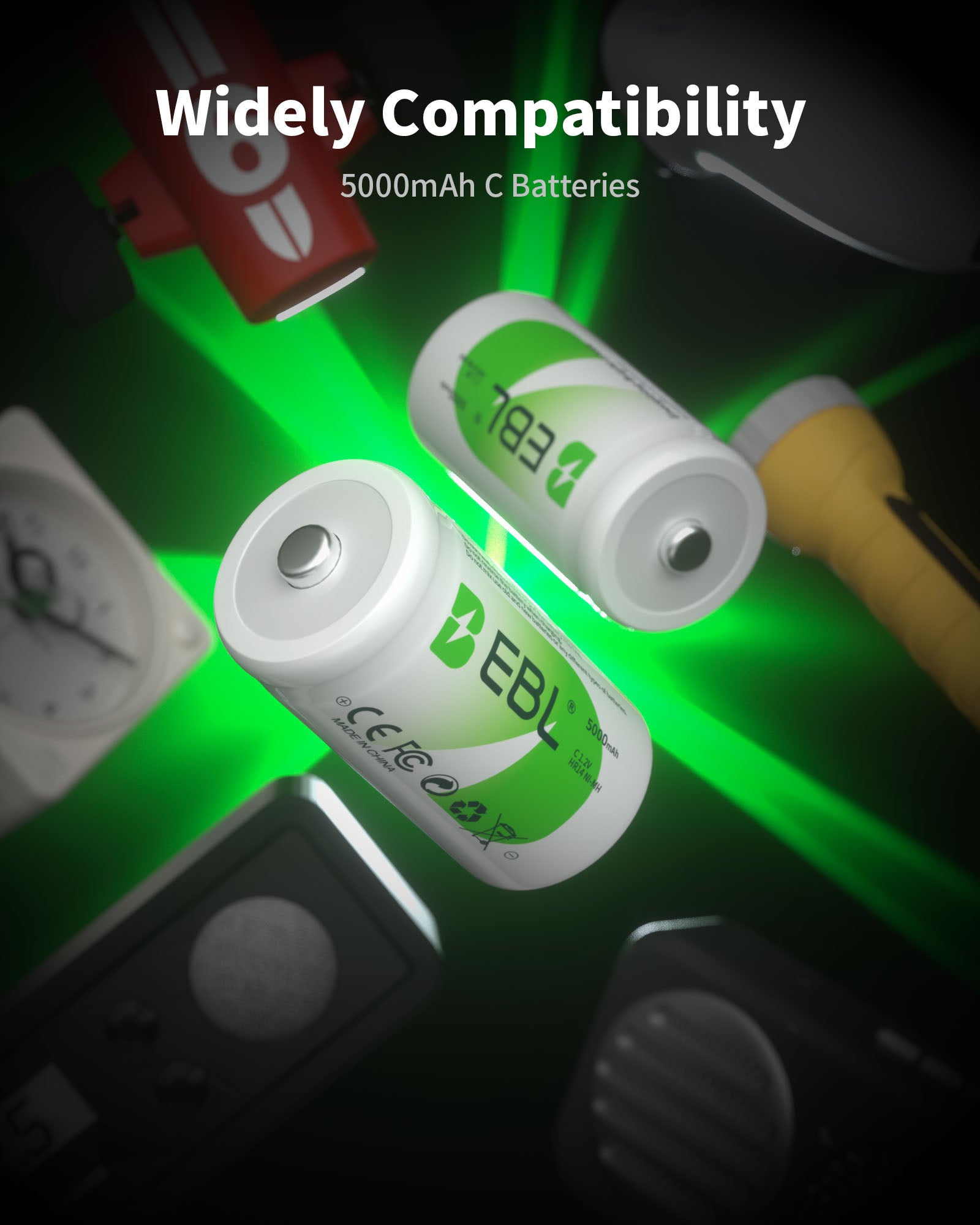
Designed for devices that specify rechargeable C-size NiMH batteries. Confirm the battery size, voltage, and selected pack quantity before purchase.
Charging and Safety
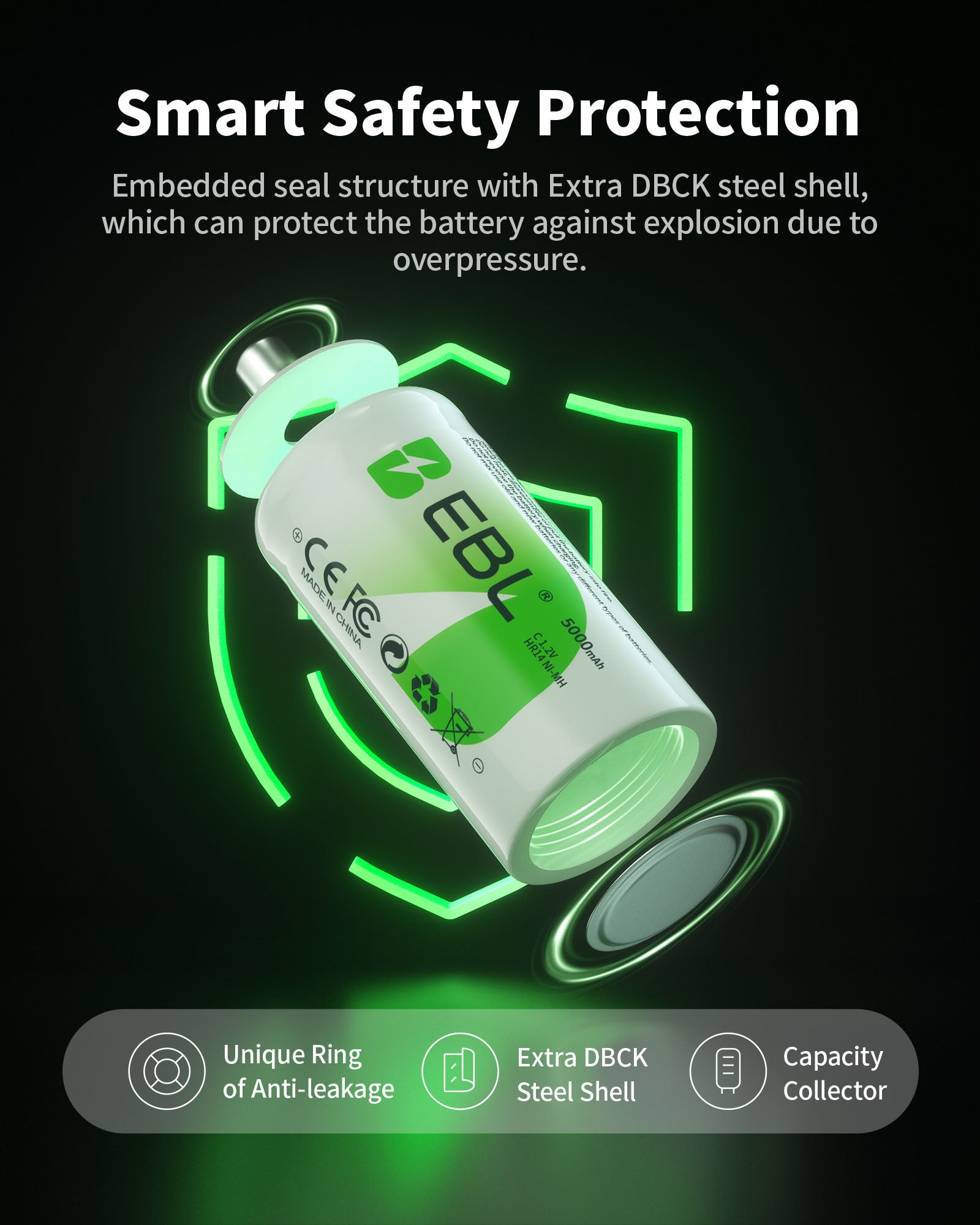
Charge only with a compatible NiMH charger. Install with the correct polarity and do not mix old and new batteries or different battery chemistries. Do not short-circuit, disassemble, expose to fire, or use damaged batteries.


EBL Rechargeable C Battery
Specifications
C Type Battery
Ni-MH
5000mAh
1.2V
Yes
400mA;16hrs
800mA
2.57oz
(1.97*1.02) inch
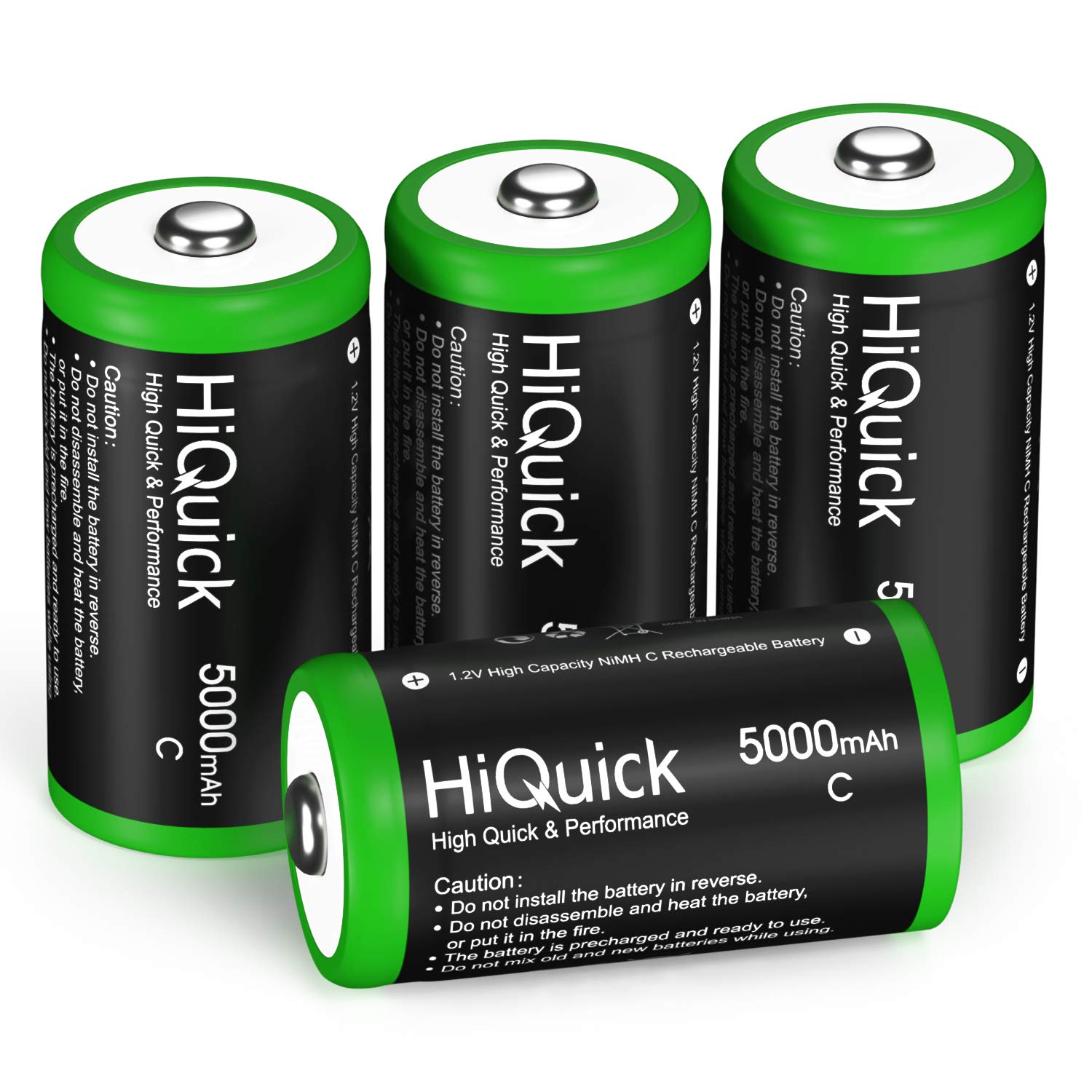
Comparison of EBL C Cell Batteries
Hiquick
EBL
C
Ni-Mh
5000
1.2V
Yes
Yes
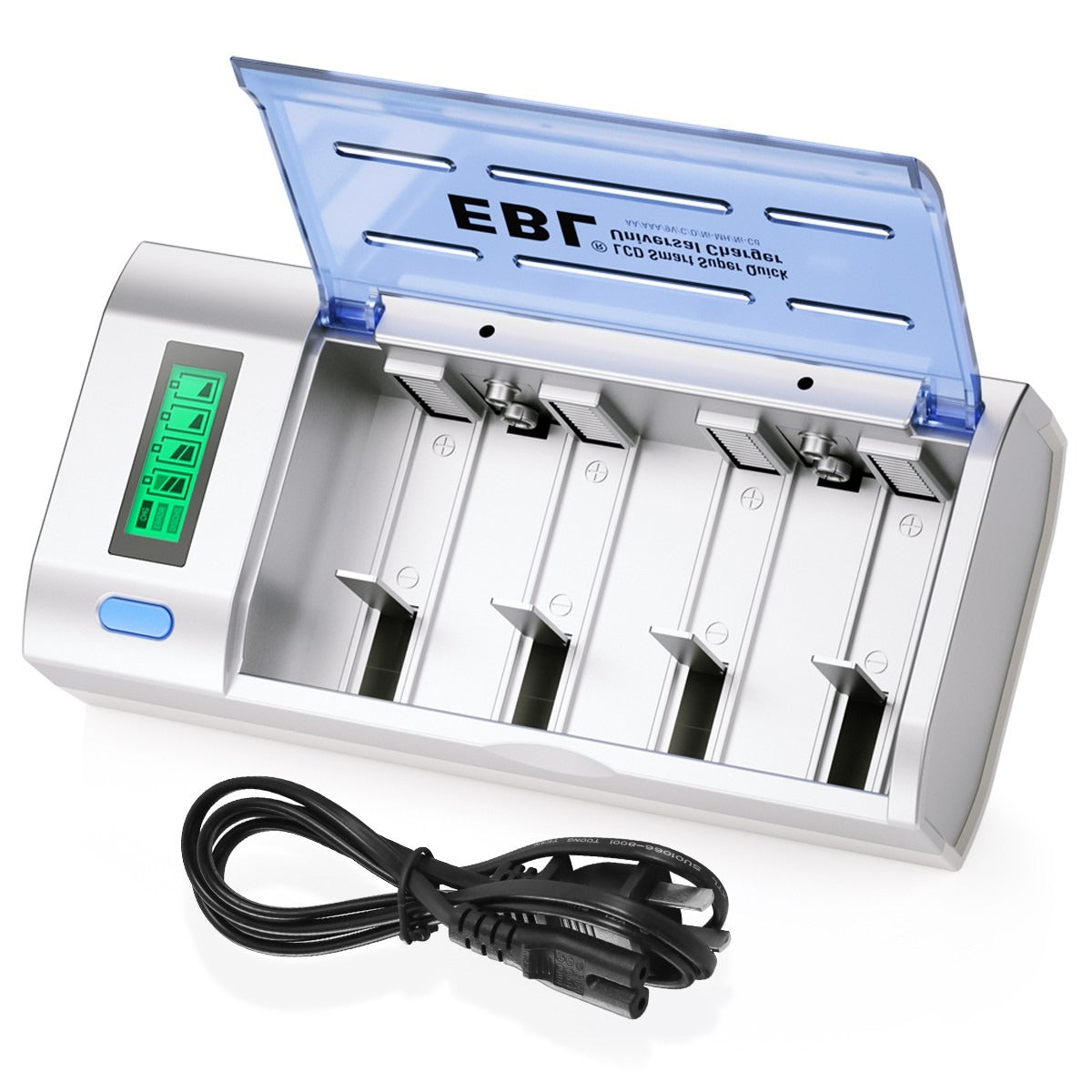
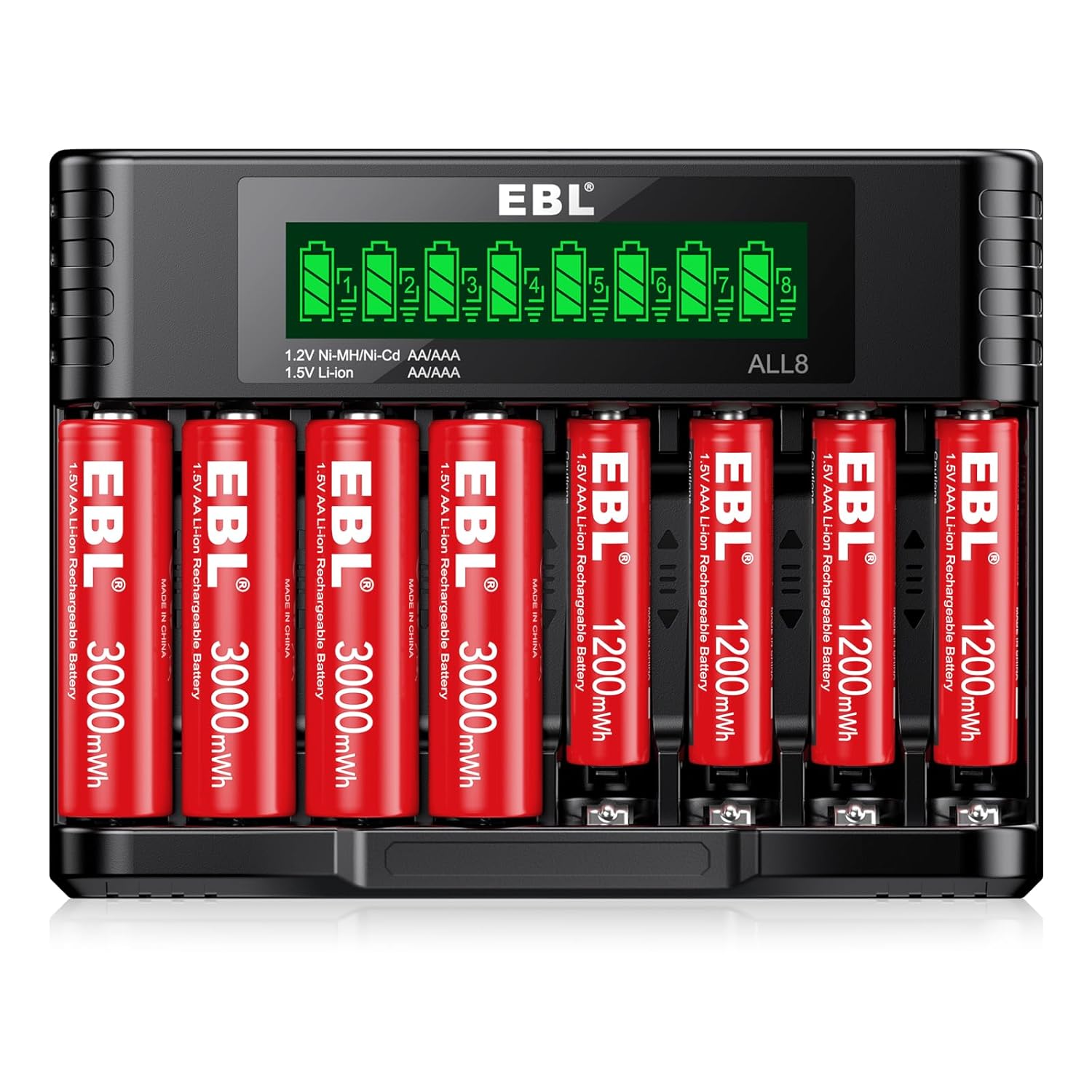
Buy C Battery Charger
Shop battery chargers for C size batteries
Buy the New Retail Package
We still have a New Retail Package of EBL Rechargeable C Batteries 5000mAh. If you're interested, place your order
Shop battery chargers for C size batteries
We still have a New Retail Package of EBL Rechargeable C Batteries 5000mAh. If you're interested, place your order
FAQ
❓ What is a C battery?
A C battery, also known as a C cell or R14 battery, is a standardized cylindrical battery commonly used in portable electronic devices. It is larger than an AA or AAA battery but smaller than a D battery. Here's an overview of its characteristics:
Electrical Specifications
- Voltage: Typically 1.5 volts for non-rechargeable batteries (alkaline, zinc-carbon) and 1.2 volts for rechargeable types (NiMH, NiCd).
- Capacity: Ranges from 3,800 mAh to 8,000 mAh, depending on the chemistry and brand.
Chemistry Types
- Alkaline: Common for general-purpose use; long shelf life.
- Zinc-carbon: Economical but lower capacity and shorter lifespan.
- Rechargeable (NiMH or NiCd): Can be recharged multiple times; environmentally friendly.
Common Uses
C batteries are typically used in devices that require medium power consumption, such as:
- Flashlights
- Radios
- Toys
- Musical instruments (e.g., portable keyboards)
- Medical equipment
The C battery's size and capacity make it suitable for devices needing sustained power over a longer period than AA or AAA batteries can provide.
❓ How many volts is a C battery?
A standard C (or "D cell") battery typically provides a voltage of 1.5 volts (V). This is the nominal voltage for alkaline C batteries, which are commonly used in a variety of household and commercial devices, such as flashlights, portable radios, and some types of toys.
For rechargeable C batteries, the voltage can vary depending on the chemistry:
NiMH: Rechargeable C batteries using Nickel-Metal Hydride chemistry usually have a nominal voltage of 1.2 volts.
Li-ion: Rechargeable C batteries with lithium-ion technology typically have a nominal voltage of 3.7 volts, but they are often used in configurations that provide a lower voltage suitable for certain devices, such as 3.6 volts when two cells are connected in series.
❓ Are C and D batteries the same?
C and D batteries differ mainly in size, capacity, and usage. C batteries are smaller (50 mm long, 26 mm diameter) with a capacity of 3,800–8,000 mAh, suited for medium-power devices like flashlights and toys. D batteries are larger (61.5 mm long, 33 mm diameter) with a higher capacity of 12,000–20,000 mAh, ideal for high-power devices like large flashlights and stereos. Both provide 1.5V, but D batteries last longer in high-drain devices due to their greater energy storage.
❓ What Does a C Battery Look Like?
A C battery has a simple, cylindrical shape and is larger than AA or AAA batteries but smaller than a D battery.
❓ Can you replace D batteries with C batteries?
You can sometimes replace D batteries with C batteries using adapters, but they are not directly interchangeable due to differences in size and capacity. While both provide the same voltage (1.5V), C batteries are smaller and hold less energy, so they may not last as long or fit securely in devices designed for D batteries. Adapters can help fit C batteries into D battery slots, but performance may be compromised, especially in high-drain devices that rely on the larger capacity of D batteries.
❓ Are rechargeable C batteries better than alkaline C batteries?
Rechargeable batteries have been around for a long time as power sources, but they’ve never been as efficient, long-lasting or affordable as they are today. In almost every case, rechargeable batteries are the better option, but there are still plenty of uses for disposable, alkaline batteries. For C batteries, disposables are good for emergency kits and flashlights.
❓ Why does the charger show an error when charging the battery?
This may be due to several reasons:
- Over-discharged battery: If the battery has been left unused for a long time, it may need a brief “activation”. Try leaving it in the charger for an additional 20-30 minutes, and it may begin to charge normally.
- Incorrect installation: Ensure the battery is inserted with the correct positive (+) and negative (-) polarity. Improper placement will trigger an error.
- Incompatible charger: Some chargers only support lithium batteries or specific chemistries. Make sure you're using a Ni-MH-compatible 9V battery charger.