

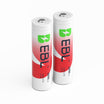
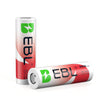
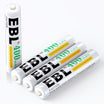
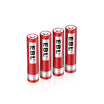

Some lithium AA batteries are rechargeable, but others are single-use. Before charging any lithium AA battery, confirm that the label clearly says “rechargeable” and use only the charging method specified by the manufacturer. Rechargeable 1.5V lithium AA batteries are designed to maintain a steadier output than typical 1.2V NiMH cells, which can matter in voltage-sensitive devices. However, battery chemistry, voltage, charger compatibility, and device requirements all need to match.
Are Lithium AA Batteries Rechargeable?
Yes—some lithium AA batteries are rechargeable. “Lithium AA” describes a broad category, not one universal battery type. Some AA lithium batteries are made for one-time use, while others are specifically engineered to be recharged. Never assume rechargeability from size, color, or the word “lithium” alone.
Check the battery label and product instructions for terms such as rechargeable, the specified voltage, and the required charging method. If the battery is marked non-rechargeable or primary, do not place it in a charger.
Rechargeable vs. Non-Rechargeable Lithium AA Batteries
The most important difference is whether the cell was designed to accept charging safely. Rechargeable lithium AA batteries include electronics and/or chemistry intended for repeated charging, while primary lithium AA cells are designed for a single discharge cycle. The two should not be treated as interchangeable simply because both fit an AA compartment.
| Battery Type | Rechargeable? | Typical Output | Charging Method | Compatibility Notes |
|---|---|---|---|---|
| 1.5V rechargeable lithium AA | Yes | Regulated 1.5V design | Specified compatible lithium charger | Useful where steady 1.5V output is desired; verify device requirements |
| 1.2V NiMH AA | Yes | 1.2V nominal | Compatible NiMH charger | Widely used in devices designed to accept rechargeable AA cells |
| Primary lithium AA | No | Depends on product specification | Do not recharge | Single-use; check device manual |
| Alkaline AA | Generally no | 1.5V nominal when fresh | Do not recharge unless explicitly designed for it | Common disposable option |
1.5V Lithium AA vs. 1.2V NiMH: What Is the Difference?
A rechargeable 1.5V lithium AA and a 1.2V NiMH AA can share the same physical AA format while behaving differently electrically. A regulated lithium design can hold its output near 1.5V for much of the discharge cycle, while NiMH cells have a lower nominal voltage. Which is appropriate depends on what the device manufacturer allows.
A steady 1.5V supply can be useful for devices whose battery indicators, motors, sensors, or electronics expect voltage closer to a fresh 1.5V AA cell. NiMH remains a practical rechargeable choice for many devices designed around 1.2V rechargeables. Always follow the device manual rather than choosing by voltage alone.
Why Does Constant 1.5V Output Matter?
Some electronics respond not only to remaining energy but also to battery voltage. A regulated 1.5V rechargeable lithium AA can help keep the supply voltage more consistent during use. That can be relevant for devices such as cameras, game controllers, smart locks, remotes, toys, and other electronics—provided the device supports that battery type.
Constant voltage does not mean every device will run for the same amount of time, and it does not make a battery universally compatible. Device load, cutoff voltage, temperature, conversion losses, and usage pattern still affect runtime.
Why You Should Not Compare Batteries by mAh Alone
mAh measures charge capacity, but it does not by itself show total stored energy. When batteries use different voltages or internal conversion systems, comparing only the mAh number can be misleading. Watt-hours provide a more useful energy comparison when the underlying specifications are known.
Energy in watt-hours: Wh = Voltage × Capacity in Ah. If capacity is listed in mWh, use Wh = mWh ÷ 1,000.
Theoretical runtime estimate: Estimated Runtime = Usable Battery Energy ÷ Average Device Power.
This is only an estimate. Real runtime is affected by conversion efficiency, discharge current, temperature, device cutoff voltage, and how the device is used. Do not compare different chemistries solely by the largest mAh number.
Which Devices Can Use Rechargeable 1.5V Lithium AA Batteries?
Rechargeable 1.5V lithium AA batteries can be considered for AA-powered devices that accept their voltage and battery type. Common examples include cameras, toys, game controllers, remotes, and some smart-home devices. Compatibility must be checked device by device, especially for products with strict voltage or battery-chemistry requirements.
| Device Type | What to Confirm | Possible Battery Choice | Important Note |
|---|---|---|---|
| Digital camera | Allowed AA chemistry and voltage | 1.5V rechargeable lithium or approved alternative | High current demand varies by camera |
| Game controller | AA support and voltage requirements | Rechargeable lithium or NiMH if supported | Follow controller manufacturer guidance |
| Smart lock | Manufacturer-approved battery type | Only a type permitted by the lock maker | Security devices can have strict battery guidance |
| Remote control | AA size and allowed chemistry | Rechargeable option if supported | Low-drain devices may have different priorities |
| Toy | Voltage, polarity, and battery instructions | Compatible rechargeable AA | Do not mix battery types or old/new cells |
Do Rechargeable Lithium AA Batteries Need a Special Charger?
Use only the charging method specified for the battery. A charger designed only for NiMH or NiCd batteries should not be assumed compatible with 1.5V rechargeable lithium AA cells. Charger labels and product documentation should explicitly identify the supported battery chemistry and voltage.
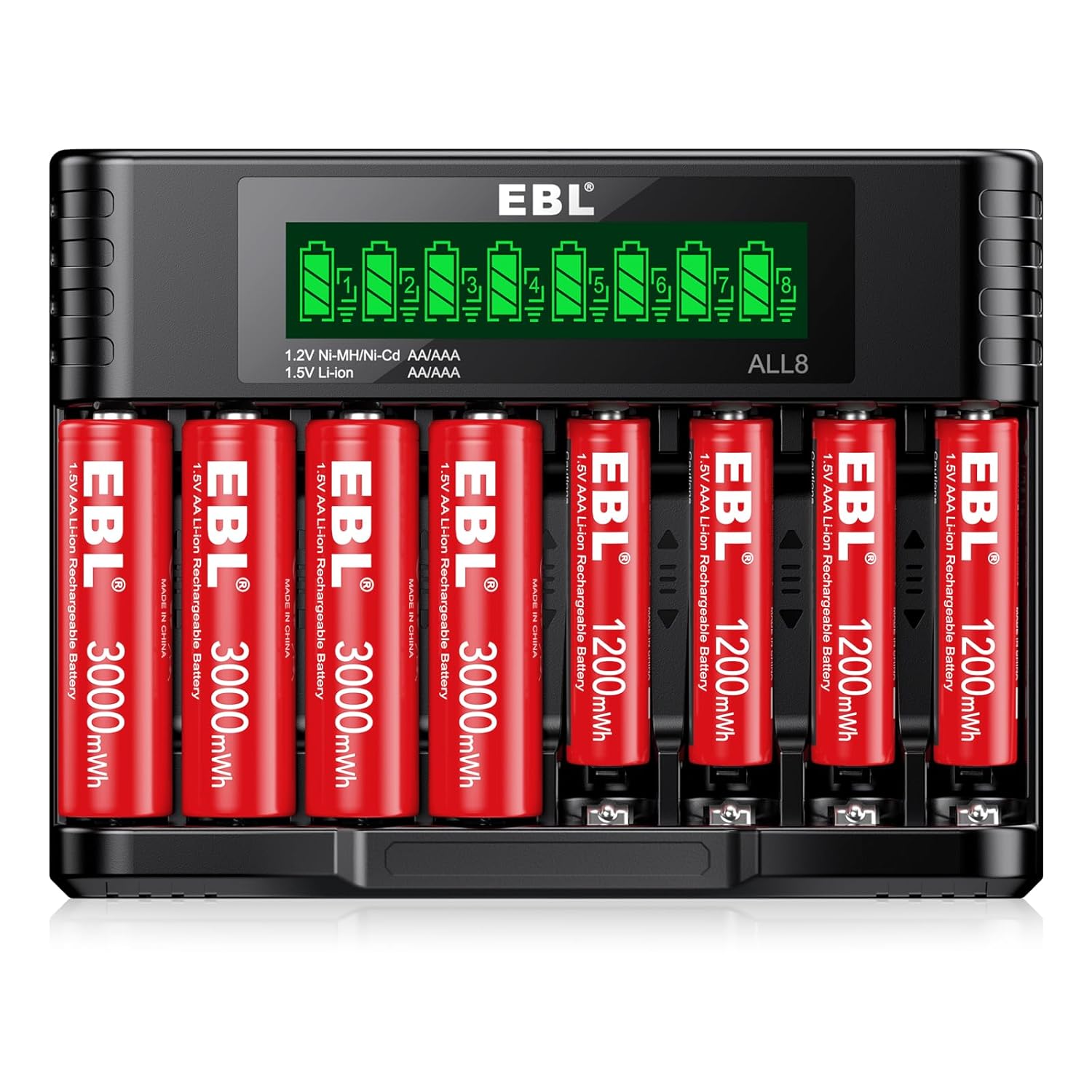
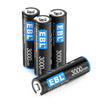
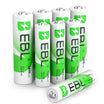
The current EBL AA lithium bundle associated with SKU MPCDQ8000AEB includes rechargeable 1.5V lithium AA batteries with a compatible charger. EBL’s store listing identifies the AA cells as 3000mWh. Charger model, charge time, protection details, and cycle-life claims should be verified against the exact product page or packaging before publication if they are to be stated more specifically.
How to Choose Between 1.5V Lithium AA and 1.2V NiMH
Start with the device—not the battery. If the device benefits from or specifies a 1.5V AA supply and permits rechargeable lithium cells, a regulated 1.5V lithium AA can be a practical option. If the device specifies 1.2V rechargeable batteries, a compatible NiMH cell may be the more appropriate choice.
- Need steady 1.5V output? Consider rechargeable 1.5V lithium AA if the device allows it.
- Device specifies 1.2V rechargeables? Consider compatible NiMH AA batteries.
- Not sure which chemistry is supported? Check the device manual or manufacturer before buying.
-
Battery says non-rechargeable? Do not charge it.

Recommended EBL AA Battery Kit
For shoppers specifically looking for a rechargeable AA solution with steady 1.5V output, the EBL 1.5V Rechargeable Lithium AA Batteries with Charger provide the batteries and a compatible charging solution in one kit. The current store listing for SKU MPCDQ8000AEB identifies an 8-AA configuration with 3000mWh cells.
This type of kit is intended for users whose devices accept rechargeable 1.5V lithium AA batteries. It should not be treated as a universal replacement for every AA battery. Confirm the device manufacturer’s voltage and chemistry requirements first.
Compatibility Checklist Before You Buy
- Check the battery size. Confirm the device uses AA cells.
- Confirm the required voltage. Determine whether the device accepts 1.5V rechargeable lithium, 1.2V NiMH, or another specified type.
- Check the chemistry. Do not assume every AA battery chemistry is interchangeable.
- Read the battery label. Verify that the lithium AA cell is explicitly marked rechargeable before charging.
- Confirm charger compatibility. Use only the charging method specified for the battery.
- Check the device manual. Pay special attention to smart locks, cameras, medical or safety-related equipment, and other voltage-sensitive devices.
- Do not mix cells. Avoid mixing different chemistries, capacities, ages, or charge states in the same device unless the manufacturer explicitly permits it.
Frequently Asked Questions
Are lithium AA batteries rechargeable?
Some are, and some are not. Recharge only a lithium AA battery that is clearly labeled rechargeable and only with the charging method specified by its manufacturer. Primary or non-rechargeable lithium AA batteries must not be charged.
Can I charge lithium AA batteries in a NiMH charger?
Not unless the charger explicitly states that it supports the exact rechargeable lithium AA battery type and voltage. NiMH and rechargeable lithium batteries use different charging requirements, so a NiMH-only charger should not be assumed safe or compatible.
Is 1.5V lithium better than 1.2V NiMH?
Neither is universally better. A regulated 1.5V lithium AA can be useful when a device benefits from a steadier 1.5V supply, while NiMH is widely used in devices designed for 1.2V rechargeable cells. The device specification should determine the choice.
Why can’t I compare lithium and NiMH batteries only by mAh?
mAh measures charge, not total energy by itself. Voltage also matters, so batteries with different voltages or internal regulation can’t be fairly compared using only mAh. When reliable specifications are available, watt-hours provide a more meaningful energy comparison.
How do I know whether a lithium battery is rechargeable?
Read the battery label and manufacturer documentation. Look for an explicit “rechargeable” designation, the battery voltage, and the specified charging method. If rechargeability is unclear, do not charge the battery until you can verify the model.

Can rechargeable 1.5V lithium AA batteries work in smart locks?
Only if the smart-lock manufacturer allows that battery type and voltage. Some smart locks have specific chemistry recommendations or battery-monitoring behavior. Check the lock manual before switching battery types, particularly for devices tied to home access or security.
Choose by Compatibility, Not Just Capacity
The key question is not simply whether lithium AA batteries are rechargeable. It is whether the specific battery is designed to recharge and whether its voltage, chemistry, and charging method match your device. Start with the device manual, verify the battery label, and use a compatible charger.
Explore EBL 1.5V Rechargeable Lithium AA Batteries with Charger →


Leave a comment
All comments are moderated before being published.
This site is protected by hCaptcha and the hCaptcha Privacy Policy and Terms of Service apply.